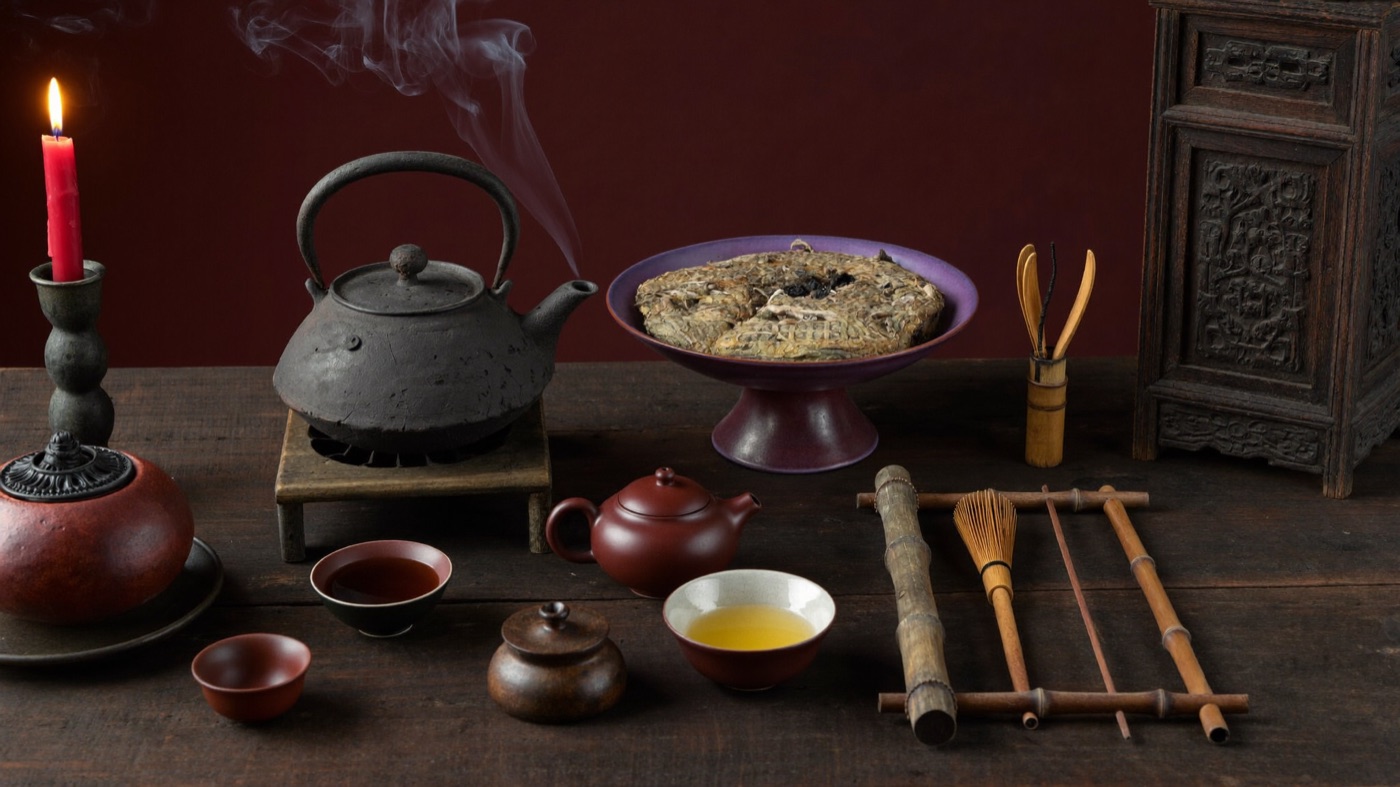
Lu Yu's Water Boiling Method
Historical Origin
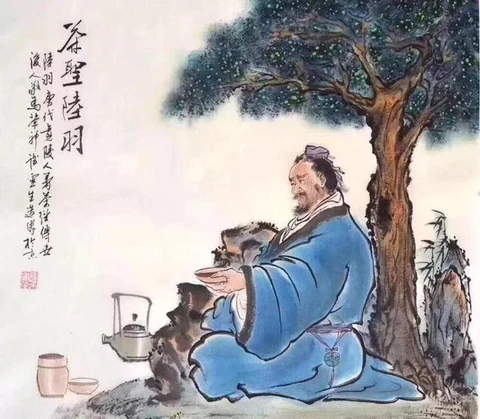
Lu Yu (733–804), the Tang dynasty scholar known as the "Sage of Tea," laid the foundations of Chinese tea culture in his work The Classic of Tea (《茶经》). While Lu Yu did not create a formal tea ceremony in the modern sense, he described a precise and influential method for boiling water, treating water as the soul of tea.
Philosophy
For Lu Yu, water was not merely heated—it was read. The quality of tea depended on the vitality of the water, which could be observed through sound, movement, and bubbles. His method reflects early scientific observation expressed through poetic language.
The Process
Water is heated slowly in a kettle over a flame. As the temperature rises, the host observes three distinct stages of boiling:
- First boil: Small bubbles appear along the bottom of the kettle, described as "fish eyes." The water is awakening.
- Second boil: Bubbles rise in steady streams like "strings of pearls." This is the ideal moment for tea preparation.
- Third boil: A full rolling boil. Lu Yu warned that at this stage the water's energy is dispersed and the tea's character is diminished.
Tea preparation traditionally occurs at the second boil, using different types of tea. The emphasis is on timing, attentiveness, and restraint.
Experience
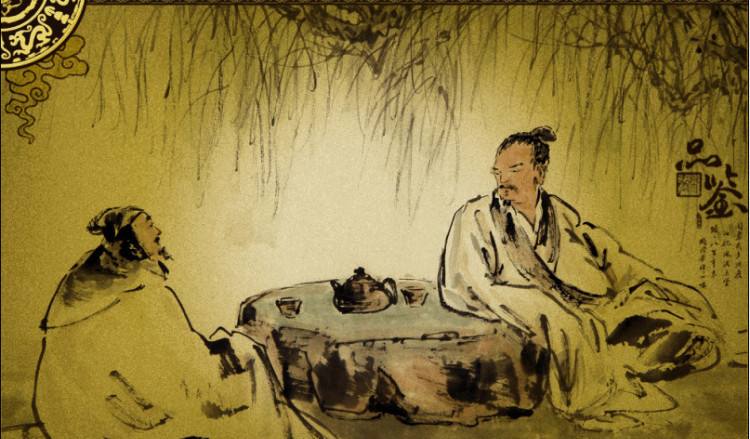
This method is quiet, observational, and meditative. It trains sensitivity to subtle changes and places water—not tea leaves—at the center of the ritual. This method is intended for those who wish to experience tea chemistry and the different states of its expression. Participants are encouraged to take part in the ritual, allowing them to learn something they can carry with them and practice at home.
What's Included
- Tasting of different traditional teas
- Demonstration of the Tang dynasty brewing method
- Historical context and Lu Yu's philosophy
- Take-home samples of the teas used in the ceremony